
Swimwear Trends: 2026
If you’ve been paying attention to what’s happening in swimwear retail this year, you’ve probably noticed something interesting: the conversation has completely shifted.
Buyers aren’t just asking about colors and cuts anymore. They’re asking deeper questions: Where was this made? How long will it last? What makes this different from everything else on the rack?
And if you’re a boutique owner, a resort buyer, or someone thinking about adding swimwear to your inventory, these are exactly the questions you should be asking too.
Let’s talk about what’s actually moving in swimwear retail right now—and why the handcrafted approach isn’t just a nice story, but a genuine competitive advantage.
Standing Out in a Sea of Sameness
Here’s the thing: customers are drowning in options. They can buy swimwear anywhere—big box stores, fast fashion websites, Instagram ads that follow them around for weeks. The market is oversaturated with sameness.
What they can’t find everywhere? Swimwear that feels special. Pieces with a story. Items they’ll treasure rather than toss after one season.
Retailers who are winning right now understand this shift. They’re not competing on price or trying to carry every trend that crosses their feed. They’re curating. They’re choosing brands that give customers something they genuinely can’t get anywhere else.
What Buyers Are Actually Prioritizing
After talking with retailers across our eight markets—from boutiques in California to resort shops in Australia—a few clear themes emerge about what they’re looking for:
Durability that justifies the price point. Customers are tired of swimwear that falls apart after a few wears. Retailers are tired of returns and complaints. Premium pricing only works when the quality backs it up. Hand-stitched seams and carefully applied embroidery simply hold up better than mass-produced shortcuts. It’s not romantic—it’s practical.
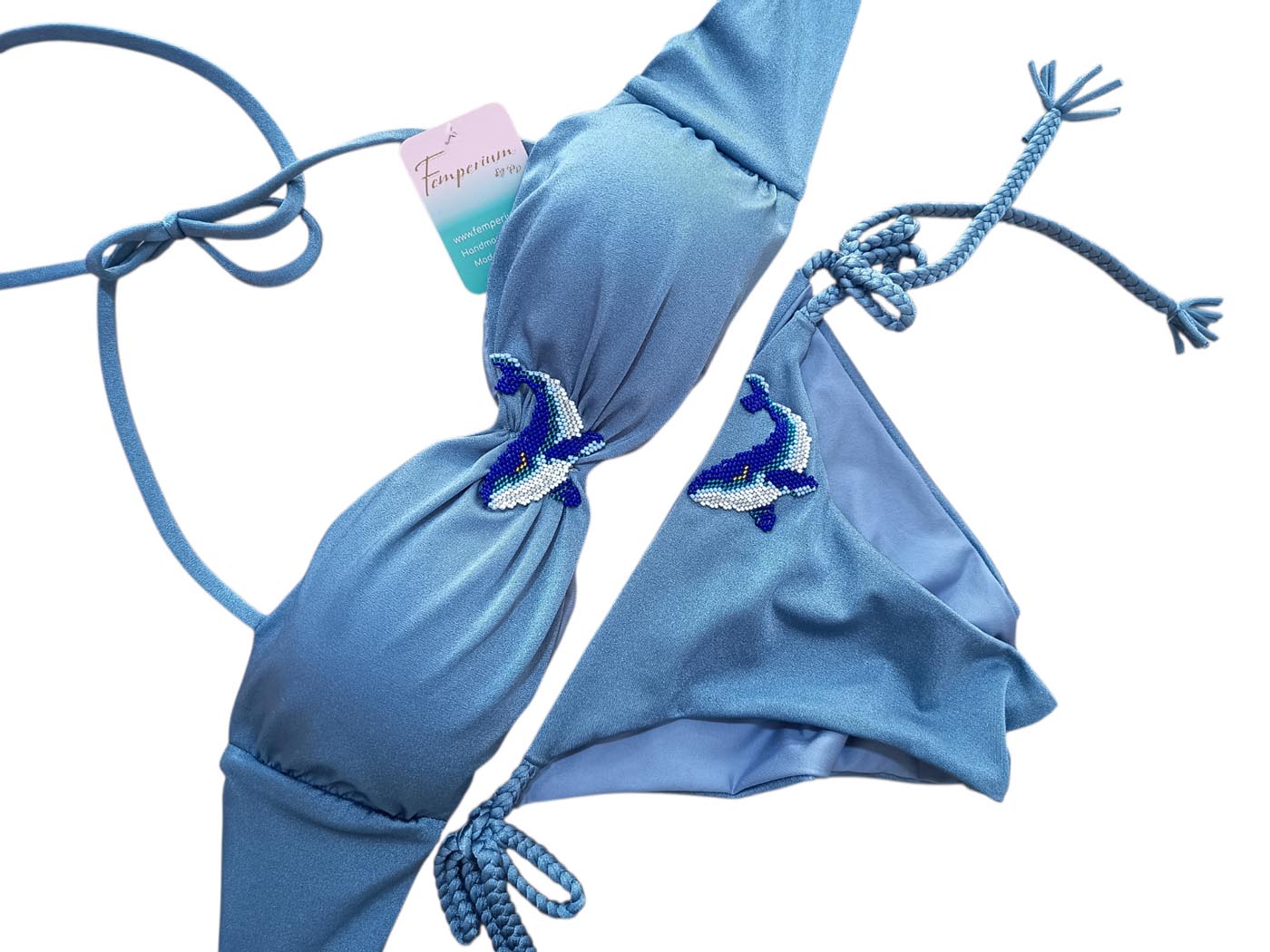
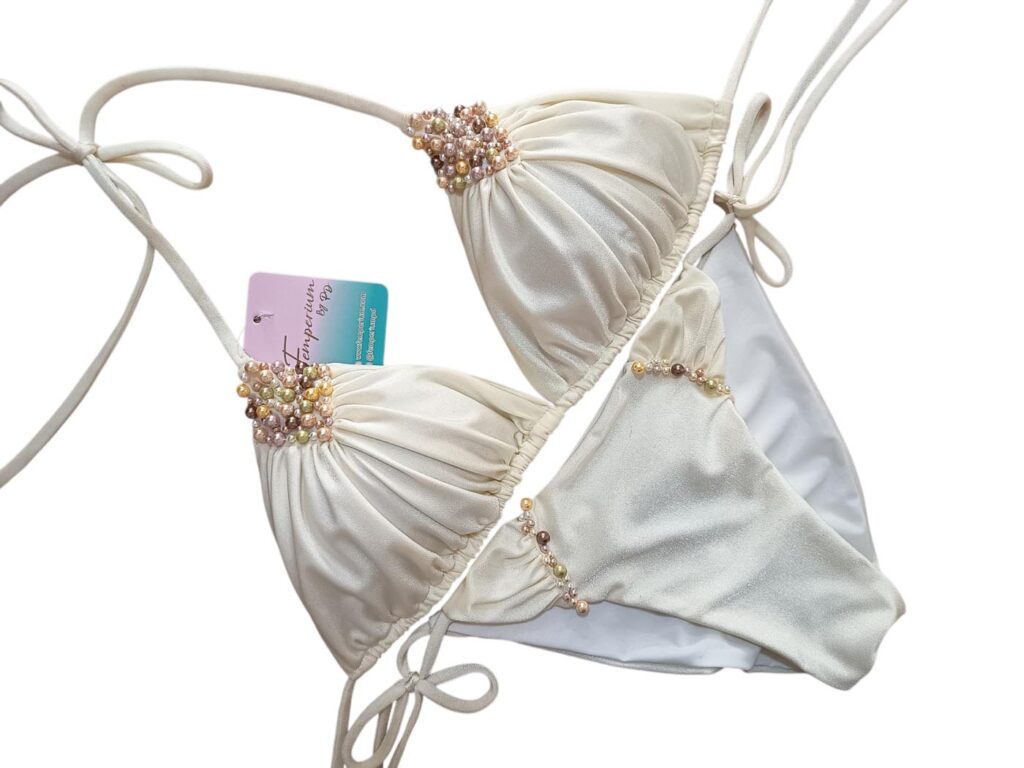
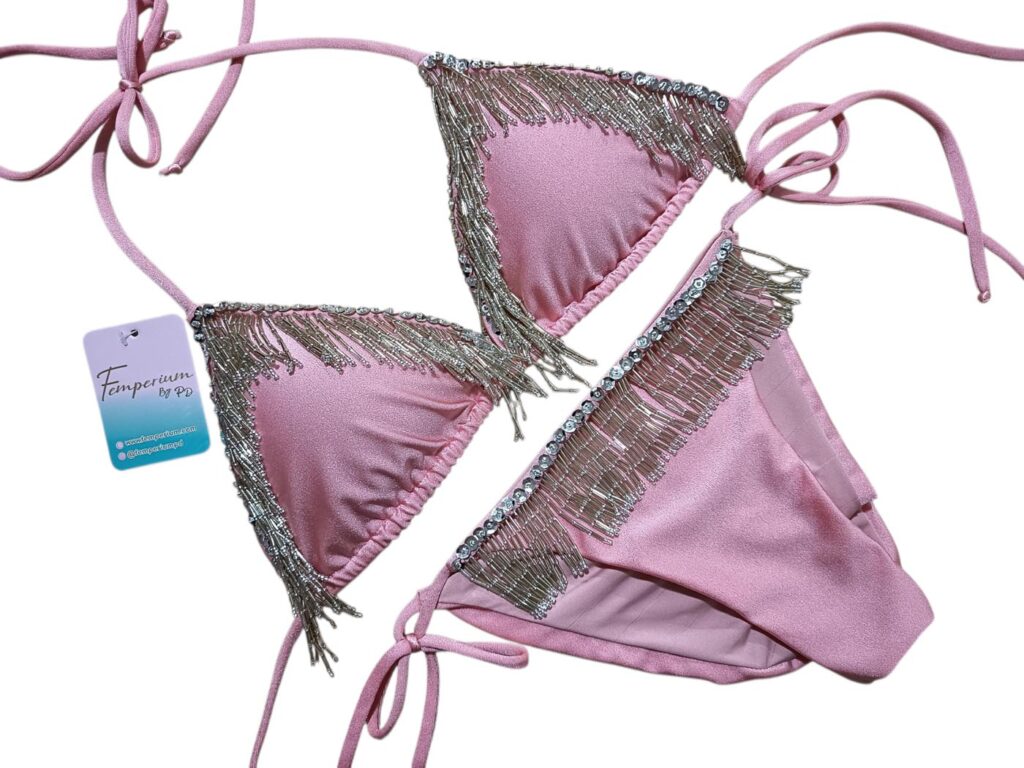
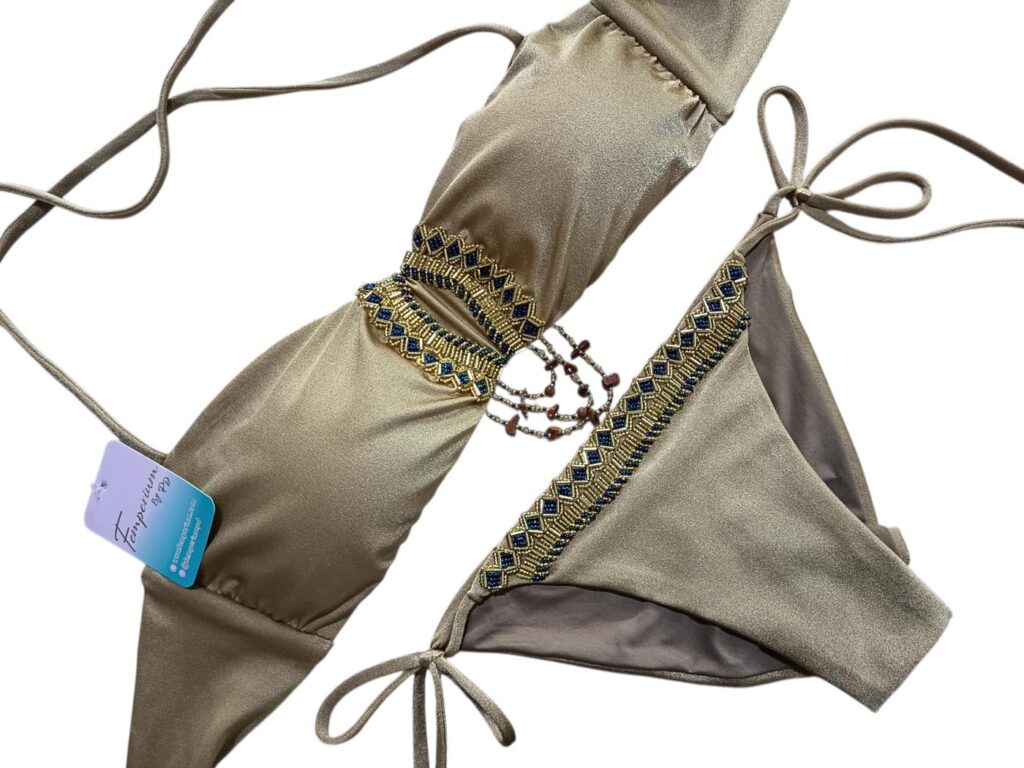
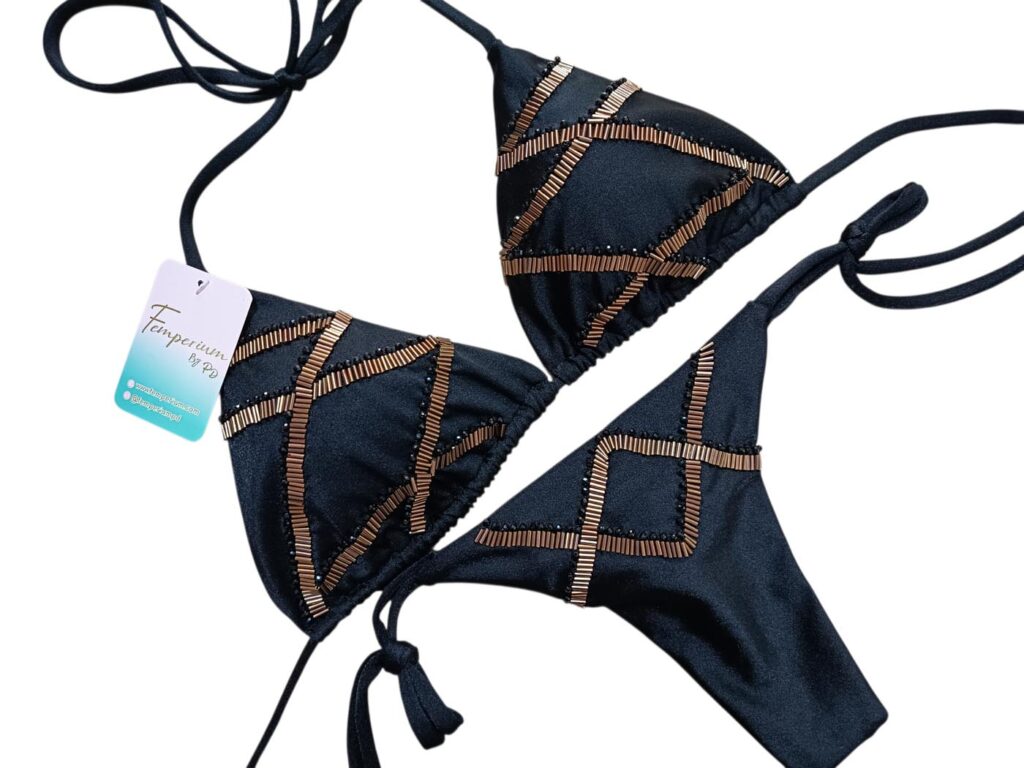
Distinctive details that photograph well. We live in a visual world. Swimwear needs to look as good on Instagram as it does in person. Textural details—embroidery, macramé, hand-applied embellishments—create depth that translates beautifully in photos. Retailers know that when customers post themselves wearing the product, that’s free marketing worth more than any paid ad.
Limited production runs. This might sound counterintuitive, but retailers are increasingly drawn to brands that don’t mass produce. Why? Because their customers don’t want to show up at the beach wearing the same bikini as three other women. Scarcity creates value. When you can tell customers “this piece is handmade in small batches,” that’s a selling point, not an apology.
A story they can tell. Retail is about connection. Boutique owners want brands they can talk about with enthusiasm—where the product comes from, who makes it, what techniques are used. “This was made in a factory somewhere” doesn’t inspire anyone. “This embroidery was stitched by artisans in Colombia using traditional techniques” gives them something to work with.
Versatility beyond the beach. The line between swimwear and ready-to-wear has completely blurred in 2026. Retailers love pieces that customers can wear multiple ways—a beautifully crafted one-piece that works as a bodysuit under linen pants, a bikini top sophisticated enough to pair with a skirt for dinner. More wearability means more value, which means easier sales.
Why Craftsmanship Is a Business Advantage
Let’s be honest: handcrafted production comes with challenges. It’s slower. You can’t suddenly double your output if something goes viral. There are limitations.
But those limitations are exactly what make it valuable in today’s market.
Quality control is built in. When each piece passes through human hands multiple times during production, problems get caught. Stitching that’s not quite right gets redone. Embroidery placement gets adjusted. You don’t get the quality control issues that plague mass production—shipments where half the inventory has crooked seams or misaligned patterns.
Differentiation is inherent. Every major swimwear brand has access to the same manufacturers, the same fabrics, the same trend forecasts. They’re all working from similar playbooks. Handcrafted brands are playing a different game entirely. You literally cannot replicate this approach at scale, which means you can’t be undercut by someone with a bigger marketing budget doing the exact same thing cheaper.
Returns are lower. This might be the most underappreciated advantage. When swimwear is well-made and fits properly because attention was paid to construction, return rates drop significantly. For retailers, this matters enormously. Returns eat into margins and create logistical headaches. Quality construction reduces those problems.
Customer loyalty runs deeper. When someone finds a swimwear brand that fits them well and lasts, they come back. They don’t just repurchase—they become advocates. They tell friends. They post photos. This creates the kind of organic word-of-mouth that drives sustainable growth for retailers.
The Trends That Favor Artisan Production
Looking at what’s actually trending in 2026, several major movements play directly to handcrafted strengths:
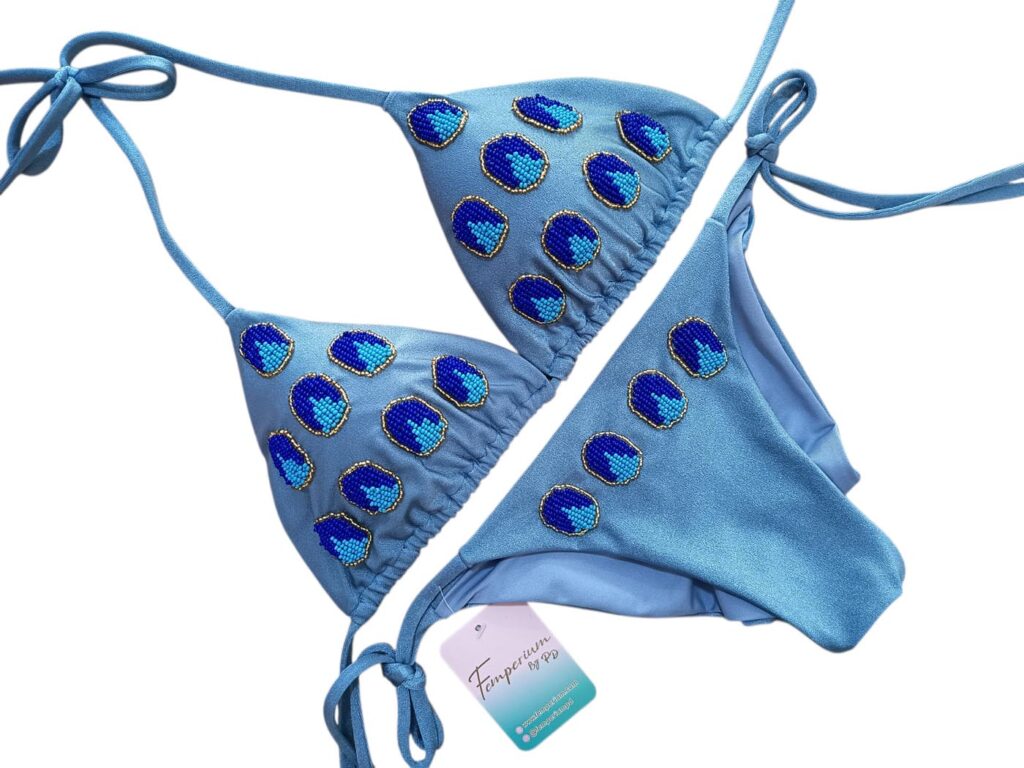
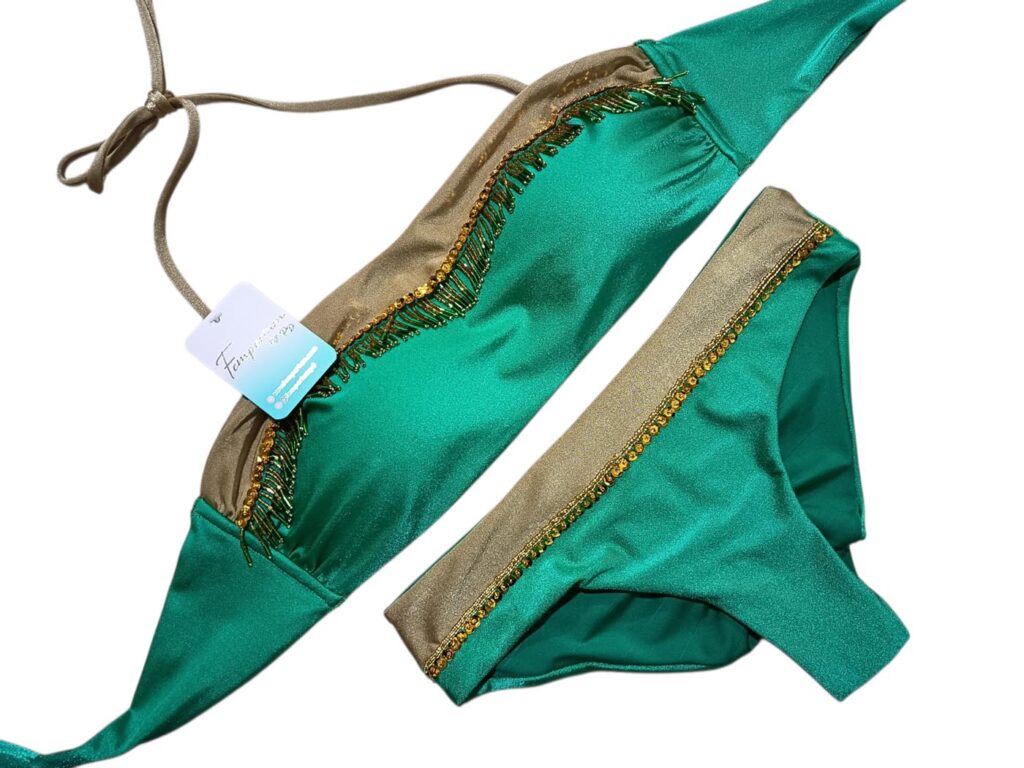
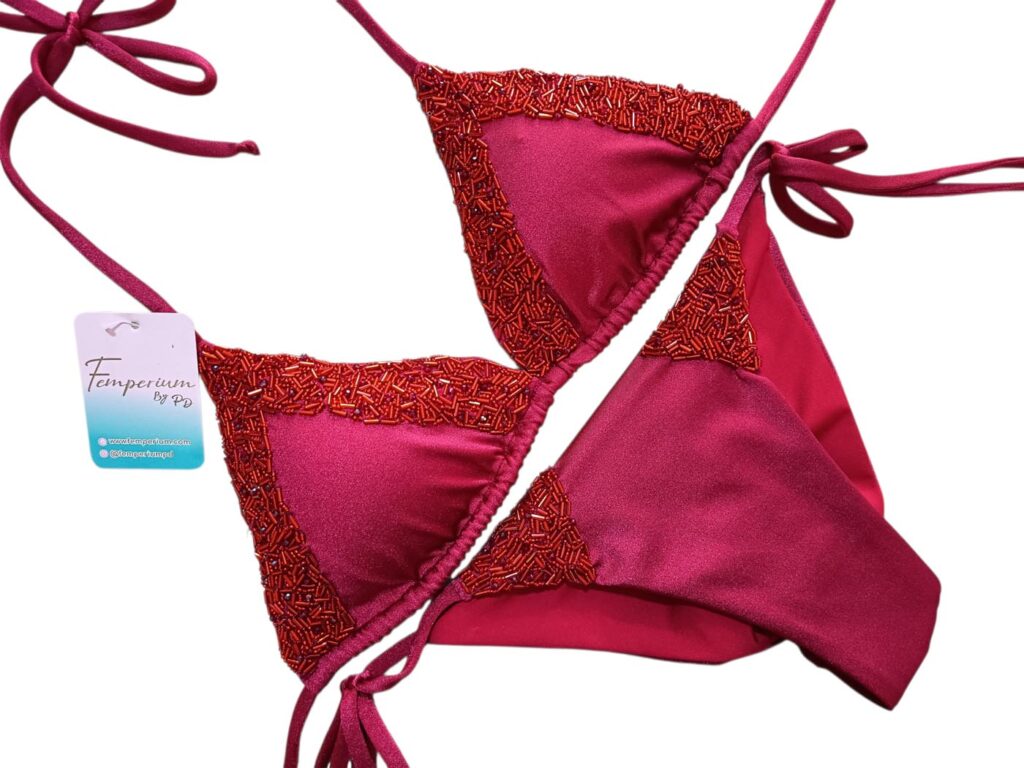
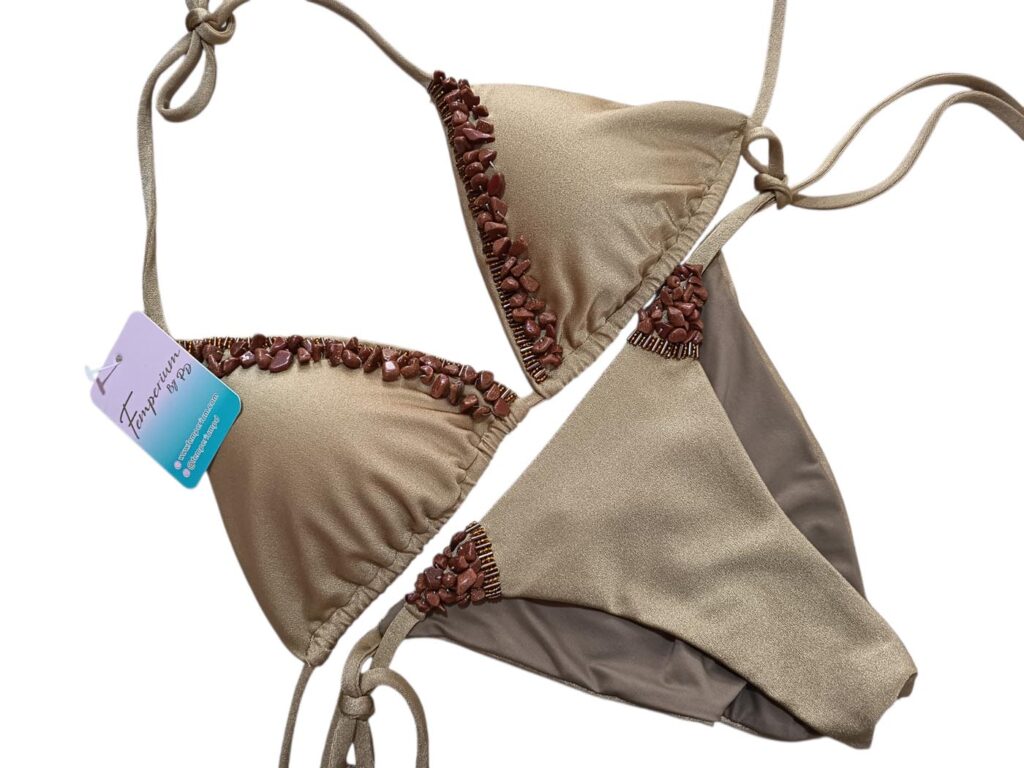
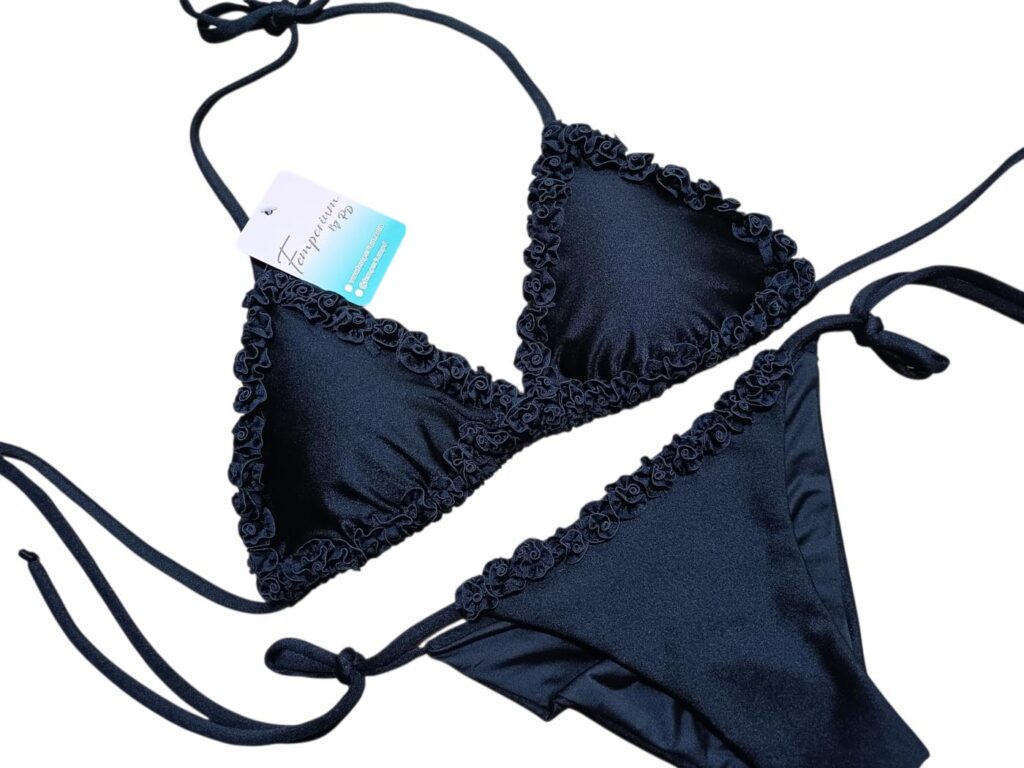
Embroidery and delicate detailing have emerged as key trends, but the emphasis is on lightweight, refined application—exactly the kind of work that requires skilled hands rather than machines. Mass producers struggle with this because automated embroidery often looks heavy and stiff. Hand-applied details have the fluidity and precision that defines the current aesthetic.
Textural fabrics and artisanal finishes are everywhere right now. Lace-inspired textures, subtle dimensional details, hand-finished edges—these elements are defining what feels elevated in 2026. You simply cannot achieve this authentically through mass production shortcuts.
Hardware as jewelry is having a moment, with refined zamak accents replacing cheap plastic closures. When pieces are constructed by hand, it’s easier to incorporate quality hardware thoughtfully rather than just clicking in whatever’s cheapest and fastest.
Sustainable and ethical production continues to matter, especially to younger buyers. Being able to speak to how and where products are made—and stand behind those practices—differentiates brands in an increasingly conscious market.
What This Means for Distribution Partners
If you’re considering adding a handcrafted swimwear line to your inventory, here’s what you should know:
You’re not just buying products—you’re buying a positioning strategy. You’re giving your customers something they can’t find at the mall or on Amazon. You’re offering a different value proposition entirely.
The margins can be strong because you’re not competing primarily on price. When a product has genuine differentiation, customers are willing to pay for it. Your job becomes showing them why it’s worth it, not convincing them it’s cheap enough.
The marketing writes itself. Behind-the-scenes content about artisans at work, close-ups of embroidery details, stories about traditional techniques—this content performs because it’s genuine and visually interesting. You’re not trying to manufacture a brand story; the story already exists.
Inventory moves differently. You won’t restock the exact same pieces endlessly like fast fashion. New designs come in small batches. This creates natural urgency—customers know that if they love something, they should buy it now. For retailers, this means less stale inventory sitting on shelves.
The Practical Considerations
Let’s address the elephant in the room: yes, handcrafted production means you can’t order 500 units on a whim and have them arrive next week.
But ask yourself: do you actually want that kind of inventory model? Fast turnarounds usually mean compromised quality. They mean products that look like everything else because they’re coming from the same factories. They mean competing in a race to the bottom on price.
Working with artisan brands requires planning ahead a bit more. It means thinking about your buys seasonally rather than reactively. It means trusting the brand’s design direction rather than trying to custom-order every trend you see on Instagram.
For many boutiques, this shift actually simplifies things. You’re curating a collection, not trying to stock every possible option. You’re building relationships with brands that align with your values and aesthetic rather than treating inventory as a commodity.
Why Colombia?
You might wonder why Colombian swimwear has gained such international traction. There are a few reasons:
The country has deep textile traditions—techniques like macramé and embroidery have been practiced and refined for generations. This isn’t new artisans learning trendy crafts; it’s skilled makers working within established traditions.
The climate and culture mean people understand swimwear intimately. It’s not a seasonal product being designed by people who barely swim. It’s created by makers who live in a country where beach culture is part of daily life.
The craftsmanship quality is exceptional, but the pricing remains competitive compared to European or North American production. For retailers, this means you can offer genuine artisan quality without pricing yourself out of the market.
The Bottom Line
The swimwear retail landscape in 2026 rewards brands that offer something genuine and distinctive. Mass production and fast fashion have flooded the market with mediocrity. There’s a gap—actually, it’s more like a canyon—between generic options and truly special pieces.
Handcrafted swimwear fills that gap.
For retailers and distributors, the question isn’t whether to carry artisan brands. It’s whether you want to differentiate your inventory and give customers a reason to shop with you instead of clicking through to the next website.
The brands winning right now aren’t the ones trying to be everything to everyone. They’re the ones offering something specific, well-made, and genuinely different.
Customers can feel the difference between a piece that was rushed through production and one that someone took time to create properly. Retailers can see it in their return rates and repeat customer numbers.
And at the end of the day, that’s what matters—not moving product as quickly as possible, but building a business around pieces people actually value.
Become A Femperium Distributor
Interested in learning more about Femperium’s distributor program? We work with boutiques, resort shops, and retailers across the USA, Australia, Brazil, Chile, Holland, Curacao, Spain, and Portugal. Contact us to discuss how handcrafted Colombian swimwear might fit into your inventory strategy.